
Inside the Compliance Review that Became a Political Battlefield
Internal emails and records show a transit compliance review was shaped amid political pressure, raising questions about whether the oversight process can operate independently.
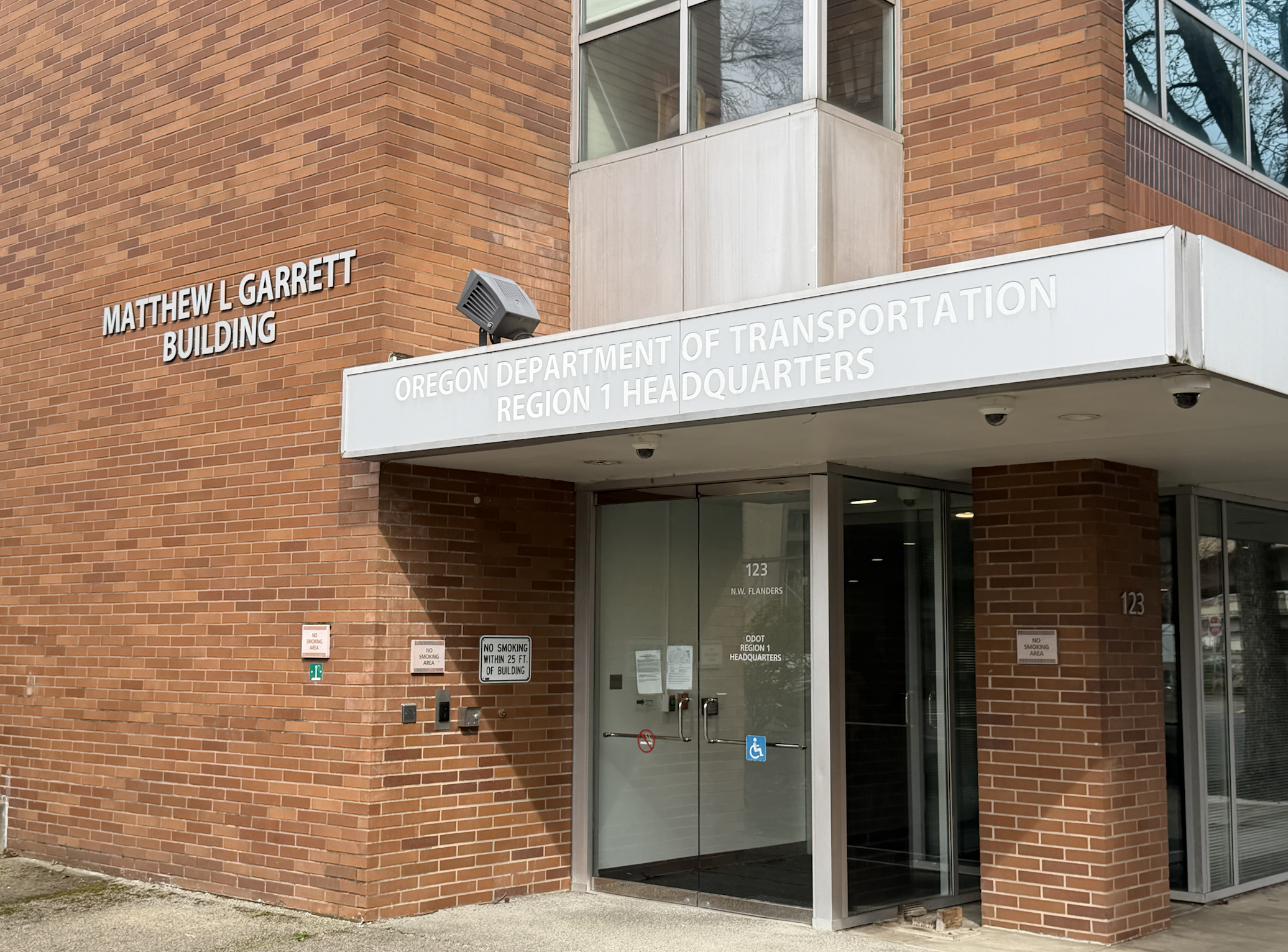
Before a state compliance review of a small Oregon transit district was finalized or publicly released, a sitting lawmaker who would later run for governor had already sought access to it.
At the same time, state officials were discussing how to frame the district’s alleged failures for the contractor writing the report, while facing pressure to share preliminary findings to politicians in Portland.
What is typically a technical, benign process became part of a widening conflict involving regulators, contractors, journalists, and elected officials — raising questions about whether a system designed to independently assess compliance was being shaped in real time by political pressure and internal coordination.
⸻
The District
The agency at the center of the conflict, the Umpqua Public Transportation District (UPTD), is a small rural system serving Douglas County. The southwestern Oregon county stretches from Diamond Lake in the east to Reedsport on the Pacific Coast, with Umpqua Valley and its soft vineyard hills in the middle.
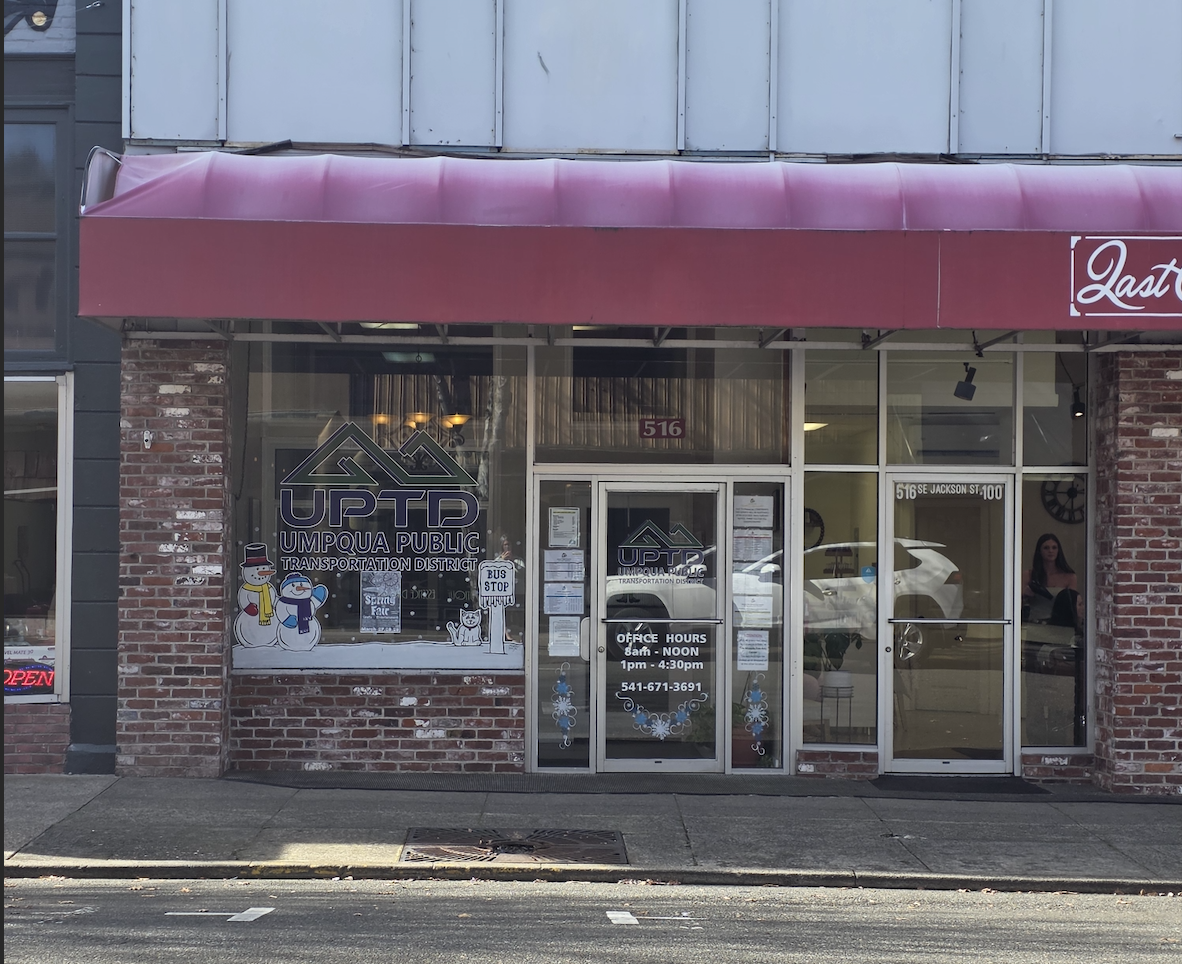
Like many transit districts, UPTD operates on a patchwork of federal and state funding streams. In the years since COVID, it had been struggling with financial crisis, leadership turnover, and political infighting.
Under normal circumstances, compliance reviews of a transit system like this one are routine and largely invisible.
But the compliance review conducted at UPTD in September 2025 didn’t follow that pattern.
“This is obviously not a typical compliance review,” one internal communication acknowledged.
⸻
The Contractor at the Center
Oversight of Oregon’s rural transit systems is administered through Oregon Department of Transportation’s Public Transportation Division (ODOT PTD). But much of the day to day compliance work is carried out by a private firm.
ODOT contracts with RLS & Associates, a national consultant specializing in transit compliance reviews.
Under this structure, RLS performs the field work of reviewing local transit agencies receiving federal funds. The contractor evaluates regulatory compliance, then compiles findings into formal reports that determine whether agencies remain eligible for funding through ODOT.
But procurement documents obtained by oceanplot show the contractor’s role extends beyond auditing.
RLS is also tasked with providing regulatory interpretation and helping shape how compliance requirements are understood across the state’s transit programs.
Under its contract, however, final authority over compliance communications from RLS remains with ODOT.
“Agency will approve all correspondence,” the contract states.
RLS may have broad authority, but ODOT ultimately controlled the final form of the findings.
That structure places a private firm in the position of both applying the rules and helping shape how those rules are interpreted, while final authority over the findings remains with ODOT.
That structure provides context for the escalation that followed.
Across the United States, state transportation agencies commonly rely on private contractors to assist with transit compliance reviews under federal programs. But a review of state management plans and procurement records shows most states retain primary control over defining compliance findings internally, using contractors in a supporting role rather than as the central mechanism for producing and shaping those findings.
Oregon’s structure — in which the contractor conducts the review while the agency shapes and approves the findings — reflects a more tightly coupled arrangement than is clearly documented in most states, though similar elements appear in places such as Florida, Alabama, and Wisconsin.
oceanplot contacted RLS & Associates for comment regarding its role in developing and finalizing the compliance review. The firm did not respond by the time of publication.
⸻
A District in Crisis
Unlike large transit systems, UPTD receives little direct support from the county or the cities it serves. To generate the local match required for federal transportation funding, the district relies heavily on revenues from contracted services such as non-emergency medical transportation.
By late 2024, the district was already under significant strain.
But the situation shifted in October, when the fall 2024 RLS compliance report identified dozens of findings requiring corrective action — triggering a cascade of internal upheaval that would reshape the agency’s leadership within weeks.
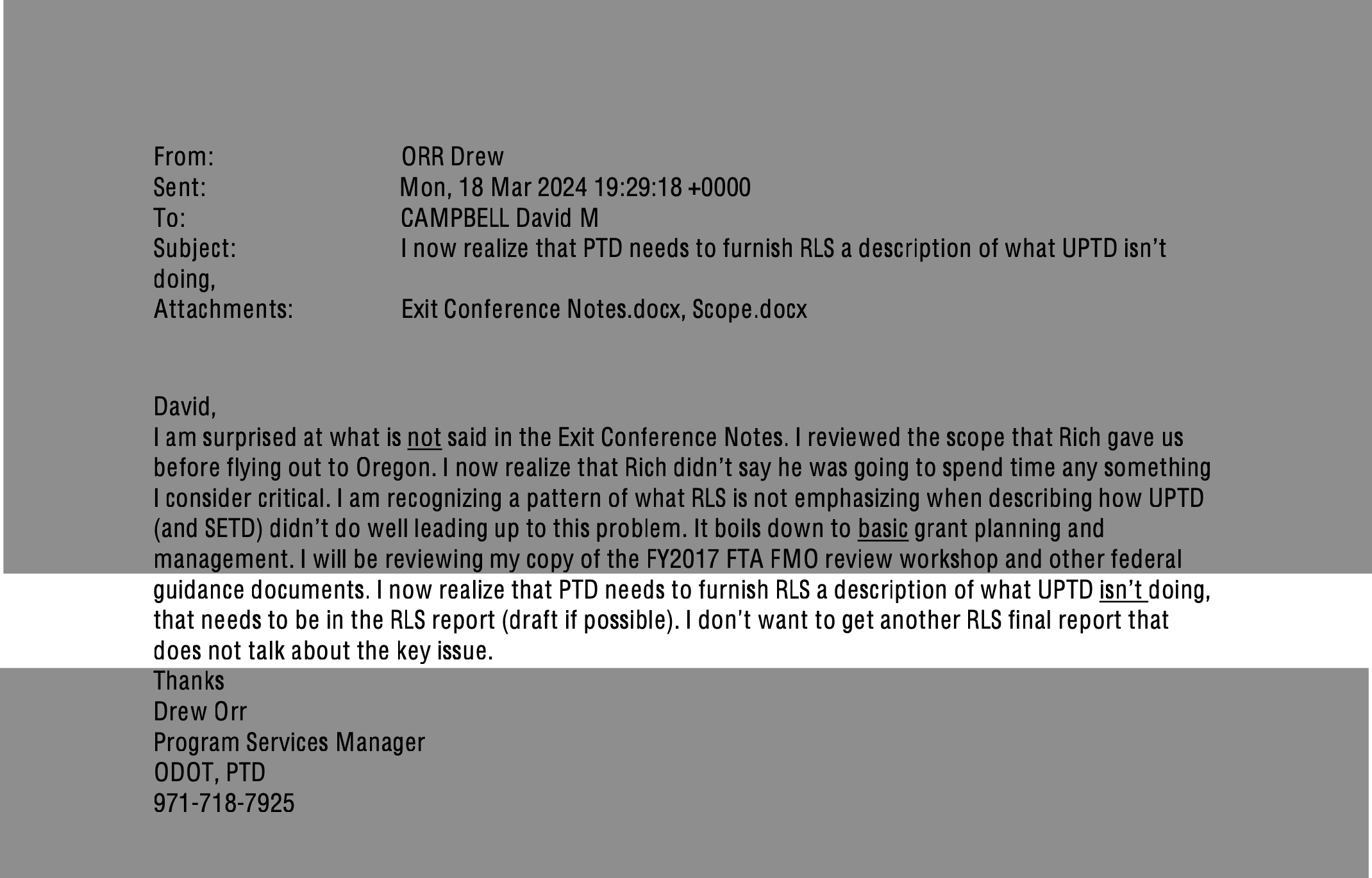
In a March 2024 internal email leading up to the year’s compliance review cycle, an ODOT staff member wrote:
“I now realize that PTD needs to furnish RLS a description of what UPTD isn’t doing. I don’t want to get another RLS final report that does not talk about the key issue.”
In another August 15, 2024 letter, ODOT prohibited federal reimbursement for a facility project, required repayment of more than $250,000, and closed related agreements, citing noncompliance with federal environmental requirements.
ODOT’s relationship with UPTD had already shifted from routine oversight toward active involvement in both defining compliance issues and enforcing them against a district they saw as unstable.
After the 2024 report, a series of resignations and leadership changes at UPTD followed in rapid succession, including the departures of multiple board members and senior staff.
According to statements later issued by the district, the agency was facing the possibility of insolvency.
And tensions between ODOT compliance staff and Umpqua Public Transit were percolating in the email record.
In an October 2024 exchange, UPTD board member Doug Mendenhall accused ODOT compliance manager David Campbell of providing “false testimony” and “lying to cause trouble” for a member of the board, writing that the matter had been referred to legal counsel.
Campbell responded the following day, stating, “I am not quite sure what you mean… What is it that you think I lied about?”
Based on the email chain obtained by oceanplot, Campbell forwarded this interaction to a human resources representative at ODOT. That interaction set the tone for the conflict to follow. Campbell would remain a central figure in the conflict over the next year.
⸻
Shaping the Findings
Other internal emails from the 2024 compliance review show ODOT staff closely involved in how findings were structured before the report was finalized.
In an October 2024 email titled “UPTD findings vs OAR,” ODOT compliance manager David Campbell wrote:
“Attached is the final draft version of the UPTD compliance review report that Jennifer and I sent to RLS, to be cleaned up.”
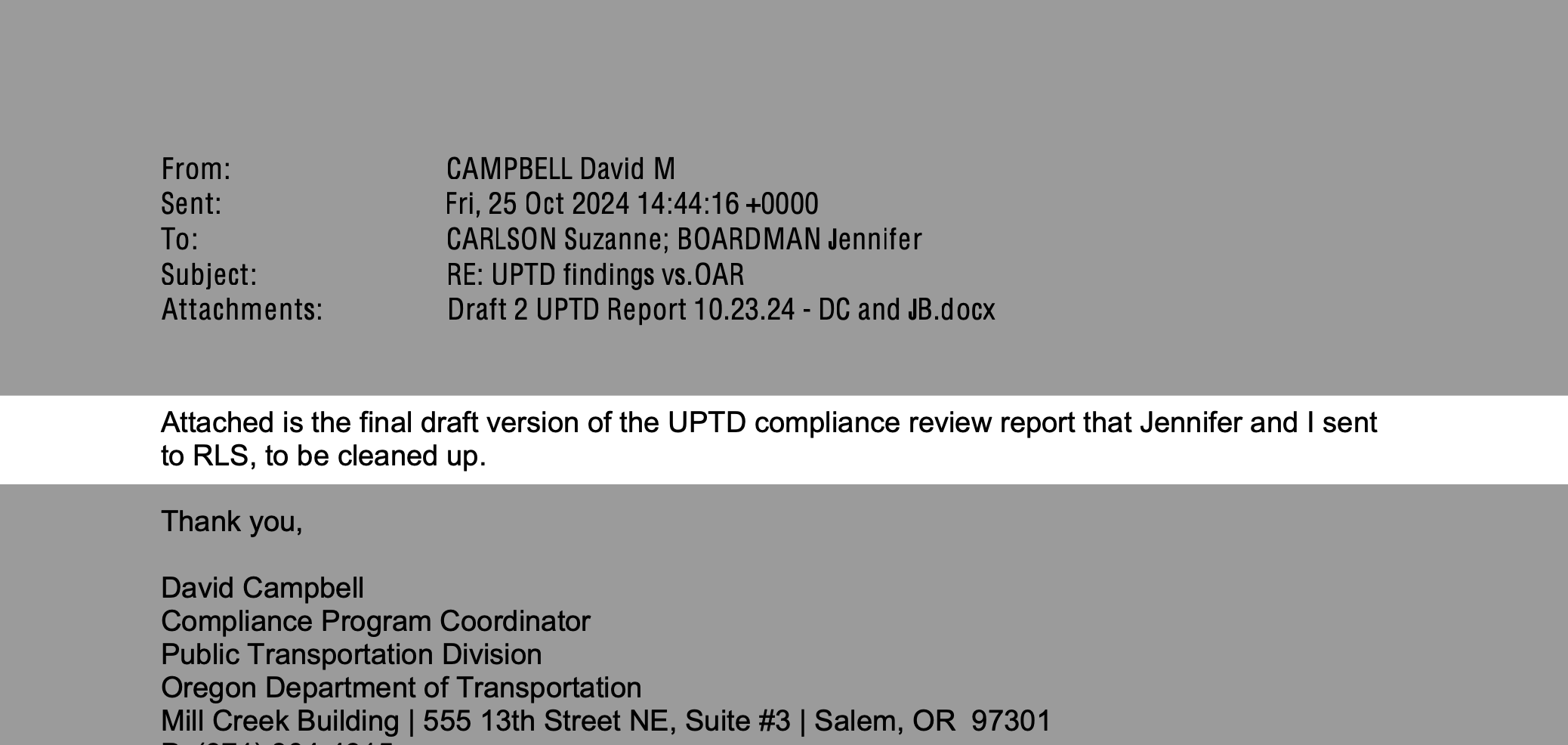
In follow-up exchanges, Campbell discussed moving findings between sections, adding corrective actions, and identifying which Oregon Administrative Rules (OAR) should be cited.
“The biggest thing for us right now is the timelines for correcting the findings,” he wrote.
As revisions continued, Campbell acknowledged uncertainty about some of the legal citations themselves: “I have tried to add the OAR references… Would you please help me find where it says that these are requirements?”
The exchanges show a process in which ODOT staff were actively shaping how compliance findings were defined and presented, while the contractor conducting the review relied on the agency to finalize those determinations.
That dynamic would carry forward into the next review cycle.
⸻
A Rapid Turnaround
Into this instability between the district and ODOT stepped Ben Edtl, who was appointed interim general manager at UPTD in December 2024.
Then, in April 2025, the district issued a press release announcing that Edtl had been appointed permanent chief executive officer, framing the appointment as the culmination of a rapid organizational recovery.
According to the district, UPTD had achieved full compliance with federal and state requirements from the previous compliance review within three months.
But internally, ODOT had flagged UPTD as high-risk due to the prior compliance review. As a result, RLS and ODOT were closely monitoring the district. And tensions were rising, with UPTD refusing to interact with ODOT’s David Campbell.
According to emails obtained by oceanplot, early in 2025, Campbell claimed that Edtl refused to continue a UPTD training session while Campbell was present.
Shortly afterward, Campbell again forwarded the email chain again to an ODOT staffer identified as part of the agency’s human resources division.
The available documents are partially redacted, obscuring whether any formal action resulted, although the HR recipient later replied: “Sorry I couldn’t be of more help.”
⸻
Not a Typical Compliance Review
The internal conflict between UPTD and ODOT unfolded against a backdrop of recurring local political upheaval.
By early 2025, the transit district had become the center of a series of disputes that extended far beyond bus routes and grant compliance.
Board resignations, staff turnover, and election challenges were all occurring simultaneously.
In August 2025, the board accepted the resignation of CEO Ben Edtl and directed its executive committee to investigate his severance agreement.
During the same period, UPTD entered an executive session with outside counsel to discuss both Edtl’s resignation and a contested board election involving candidate Natasha Atkinson.
Financial pressures were mounting. The district’s chief financial officer reported approximately $121,000 in delayed federal funding.
Plans were discussed for layoffs and service reductions.
And by fall, RLS and ODOT were again coordinating closely on how the 2025 compliance findings would be presented.
The resulting document included language suggesting that certain activities conducted by district leadership could constitute potential false claims or fraud involving federal funds.
Among the issues cited was a trip by Umpqua district leadership, including Ben Edtl, to Washington, D.C., which the report characterized as potential lobbying activity with taxpayer resources.
That wording would make the next development particularly explosive.
⸻
Political Attention
Internal ODOT emails show that Representative Ed Diehl, a Republican who has since launched a campaign for governor, requested access to the compliance review before it was finalized.
The request appears in an October 2025 email exchange discussing distribution of the document.
In response to questions from oceanplot about independent oversight and distribution of the report, ODOT described its role as part of a standard oversight process, stating that compliance reports are reviewed internally “to ensure accuracy” before being finalized and distributed. The agency said the final report was sent to the Umpqua board on November 24, 2025, and to Representative Ed Diehl the following day after he had previously requested it.
When asked about his involvement, Diehl initially framed his interest as part of a broader effort to investigate alleged misconduct.
“I consistently receive tips on ODOT fraud, waste and abuse… I try to follow up on every tip,” he wrote in response to questions.
He said the Umpqua inquiry began after receiving such a tip and stated that the first time he reviewed details of the case was when ODOT’s legislative liaison sent him the finalized report on November 26, 2025.
“I never asked for, nor received, a draft report or any related materials,” he wrote.
However, on October 1, 2025, ODOT’s legislative liaison wrote that Rep. Diehl was seeking “the most recent review and associated materials.”
In a subsequent email to oceanplot, Diehl described the origin of the inquiry differently, stating that he had heard from “two whistleblowers” claiming these tips “really added credibility.”
When asked about the timing of his request relative to the report’s completion, he said, “I don’t recall when. I just know it was shortly before I made the request.”
Around this same time, ODOT staff reported pressure from another political figure.
“I am getting pressure from a politician out of Portland to share the exit notes from UPTD’s review,” ODOT regional transit coordinator Jennifer Boardman wrote in an internal email.
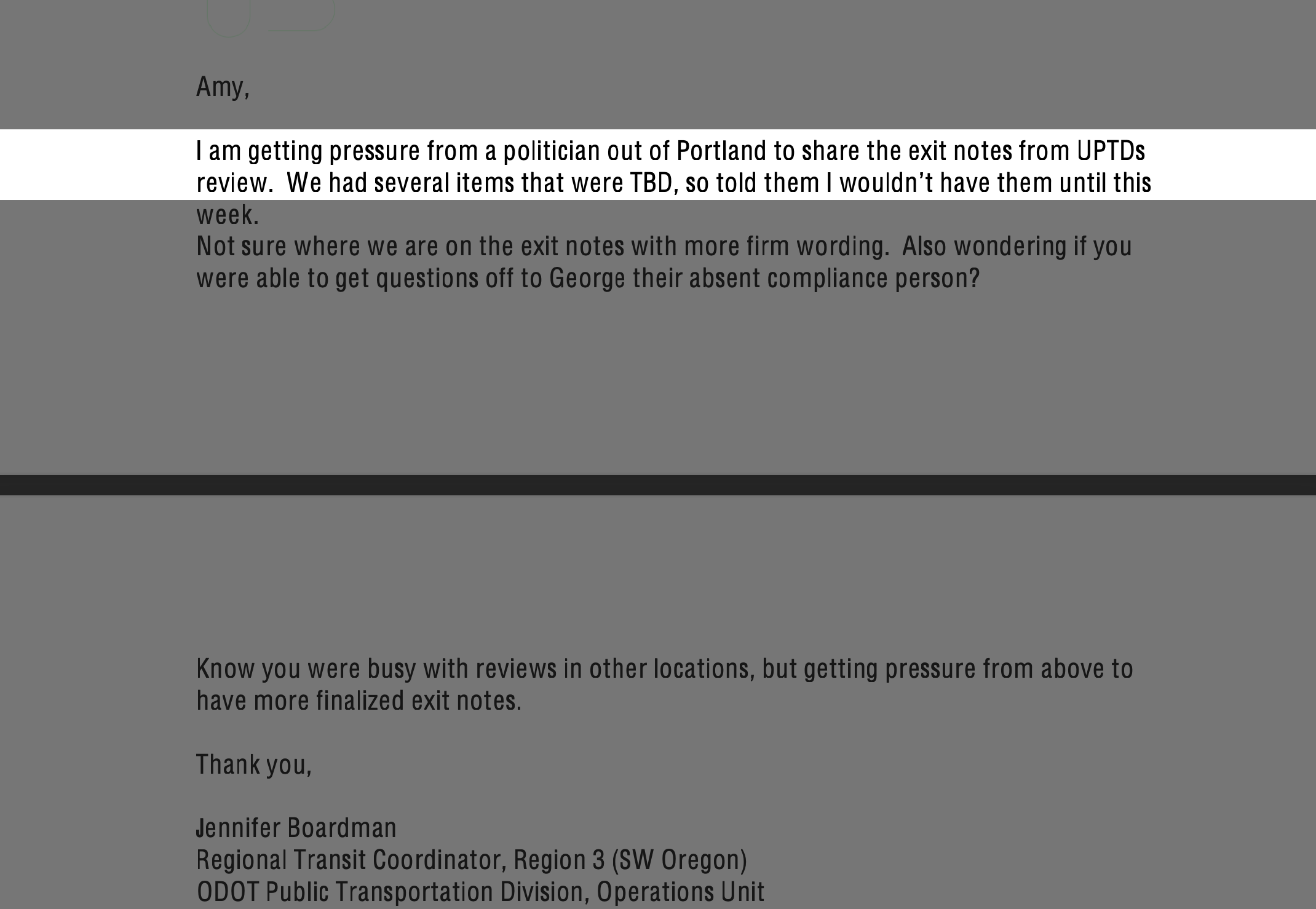
Exit notes are preliminary summaries of findings discussed with the agency before the final compliance report is issued.
Taken together, the records show a compliance process unfolding under simultaneous internal coordination and external political interest before the report was finalized.
⸻
The Report Surfaces
The final compliance review report was dated November 25, 2025.
Based on interviews and materials examined during the review, the report identified eight compliance observations and three advisory recommendations. Six of the observations were described as repeat findings from previous reviews. The report warned that continued failure to address compliance issues could place the agency at risk of losing federal funding.
The document also included language suggesting that certain actions taken by district leadership under Ben Edtl could warrant referral for investigation under the federal False Claims Act.
On December 2, 2025, Oregon Journalism Project reporter Nigel Jaquiss requested the compliance review through ODOT’s public records process.
Later that same morning, Jaquiss emailed a UPTD source seeking comment on the report and attached a full copy of the compliance review.
However, it wasn’t until that afternoon that ODOT formally provided the report through the public records request.
This sequence seems to underscore that the document was circulating before its official release through the public records process, though the source of that circulation remains unclear.
⸻
Dispute Over the Findings
Another layer has since emerged.
Several UPTD board members say their voices were never heard throughout the compliance review process, claiming they were not interviewed by RLS.
Additionally, in March of 2026, a current UPTD board member who has described herself as a whistleblower, said she requested a federal investigation into ODOT and RLS in connection with the 2025 compliance review. The request was directed to the Federal Transit Administration and the Office of Inspector General and challenges the conduct of the state and its contractor in producing and enforcing the review.
At a March 16, 2026 board meeting, UPTD leadership directly confronted portions of the review, objecting on the public record.
With respect to one finding, the compliance report states that the district failed to provide requested investigative records to ODOT. However, district leadership argued that this description omits critical context, stating that the materials in question were part of a confidential personnel investigation conducted through executive session interviews. District leadership said on record that legal counsel advised that the underlying interview notes constituted protected personnel records and were not subject to disclosure under federal grant documentation requirements. A written summary was provided to auditors instead.
The district further argued that portions of the compliance review extended beyond the scope of federal compliance oversight, containing conclusions “not supported by verified financial findings” and, in some cases, addressing personnel decisions not tied to federal funding.
“Characterizing such matters as potential fraud without completing investigations is inappropriate for a compliance observation and creates a misleading impression of wrongdoing,” board member Michaela Hammerson said.
The district meeting also addressed the report’s characterization of the 2025 trip to Washington, D.C. District officials stated the trip had been approved by the board and was intended to inform federal policymakers about the operational impact of potential funding changes on rural transit systems.
“Providing factual information to policymakers about the operational impacts of federal policy is not lobbying and is routine activity for public agencies,” Hammerson said.
In a statement provided to oceanplot, former UPTD CEO Ben Edtl also disputed the findings, stating that the compliance review “was not a legitimate review” and did not accurately reflect conditions inside the district. He rejected the report’s characterization of his trip to Washington, D.C. as improper lobbying, saying the trip was intended to provide information to federal officials.
Edtl also said he was “shocked” to learn that Representative Ed Diehl had requested access to the report prior to its release and questioned how the review came to the attention of legislative officials before it was finalized.
⸻
The Larger Question
While UPTD officials argue that the compliance report contains factual errors, misquoted statements, and misapplied federal rules, ODOT and its contractor maintain that the findings reflect serious governance and compliance failures that threaten the district’s eligibility for federal funding.
The dispute has now reached beyond the district and the state. oceanplot contacted federal officials for comment regarding the UPTD whistleblower’s request for investigation into ODOT and RLS. Federal officials declined to confirm or deny whether any investigation is underway.
The records now show a system under visible pressure — with draft findings shaped internally, political figures seeking access before release, and disputes over whether the conclusions themselves were grounded in verified evidence.
In a process designed to function as an independent check on public agencies, that combination shifts the question from whether the district complied to whether the system evaluating it remained independent.
For bus riders in Douglas County, many of whom rely on public transit for medical appointments, work, and daily needs, the stakes are more immediate. Funding disruptions, service reductions, and administrative instability aren’t confined to compliance reports. They show up in missed trips, reduced service, and uncertainty about whether the system will continue to operate as expected.
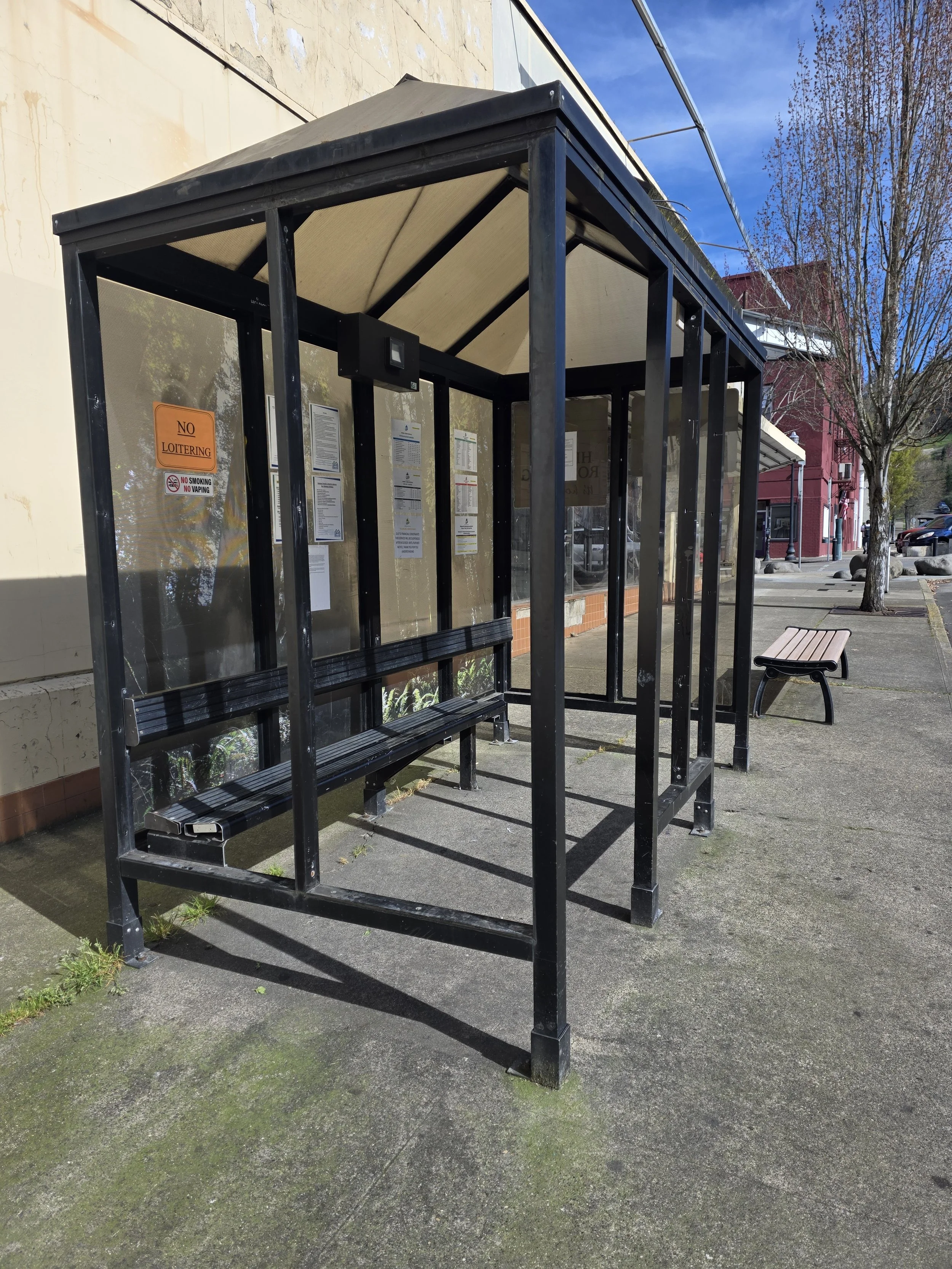
For taxpayers across Oregon, a sharper image rises from Umpqua Valley.
When the system meant to enforce compliance becomes part of the conflict it is evaluating, accountability is shaped by the very pressures it is meant to withstand.
When an agency overseeing the review helps shape the findings amid active HR disputes, the contractor relies on that agency to approve them, and political actors seek access before the process is complete, the claim of independent oversight becomes difficult to sustain. The question is not simply whether this process was pressured, but whether a system structured this way can credibly claim independence at all.